September is here, the days are getting a little shorter, but out on the road, the heat isn’t quite done yet. It’s precisely in this gray area—too hot for winter gloves, not cool enough to put away your summer gloves—that many riders are unsure which gear to choose. If you can only keep one pair of gloves in your saddlebag for this time of year, that’s when the question arises: which motorcycle gloves are best? They need to be versatile, protective, and breathable enough to keep your rides from turning into a sweaty ordeal.

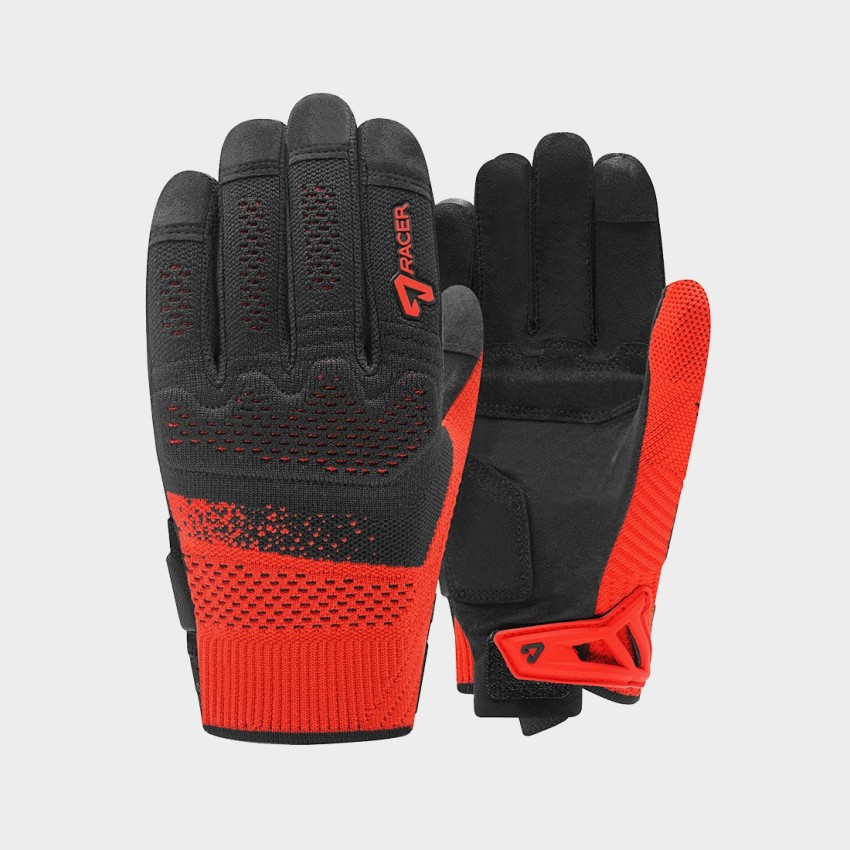
At Racer 1927, our answer has a name: the Ventus. Designed to be ultra-lightweight, it stands out as the ideal companion for late summer, whether summer temperatures linger… or gradually cool down. We spoke with Elisabeth, our product designer, to understand what makes this glove so unique in its design.

Why is the Ventus the best motorcycle glove for the start of the school year?

Getting back on your motorcycle for the fall isn’t a sudden shift into the cold. It’s a transitional season: mornings that are still mild, afternoons that can sometimes be as hot as the height of summer, and rides that return to a regular rhythm after the holidays. In this context, the ideal glove isn’t one that protects against the cold, but one that best adapts to these fluctuating temperatures, without ever compromising safety.

This is exactly where the Ventus fits in: a glove designed for warm weather, yet sophisticated enough in its construction to remain practical as long as temperatures don’t drop significantly. Its full ventilation makes it a valuable ally whenever the sun is still beating down, and its versatility—combining flexibility, support, and protection—makes it a natural contender for the title of best motorcycle glove for this transitional period.

A design that breaks with the conventions of protective gloves

The Secret of Full 4-Way Stretch

One of the main challenges of a motorcycle glove is to combine protection and freedom of movement—two requirements that have historically been at odds with each other. The Ventus was designed to overcome this contradiction.

The challenge was precisely to avoid pitting comfort against safety. We designed the glove around a fully stretchable textile structure, with a back made from a single piece of knitted mesh. This construction eliminates many seams, improves freedom of movement, and allows the glove to naturally follow the hand’s movements.

- Elisabeth Le Bec, product designer

Elisabeth points out that protection hasn't been sacrificed, but rather reimagined in terms of its placement.

The result: a CE-certified glove that doesn't prioritize rigidity, but rather intelligent placement—the protective elements work with the hand's movement, not against it.

The metacarpal foam is discreetly integrated beneath the fabric to maintain flexibility in the back of the hand, while the hypothenar reinforcement protects the palm in the event of a slip without compromising grip on the handlebars.

- Elisabeth Le Bec, product designer

The AX Suede: A Palm Designed for Precision

The choice of materials is just as strategic. For the palm, Racer opted for AX Suede rather than traditional leather or a classic synthetic material.

We were looking for a material that could offer the comfort of a second-skin glove while ensuring excellent abrasion resistance. Compared to leather, AX Suede is much more supple from the very first use, more stretchy, retains its feel over time, and dries much faster after exposure to moisture.

It offers better wear resistance, a softer feel, and excellent grip on the handlebars, even when your hands are sweaty. This improves riding precision while reducing fatigue on long rides.

- Elisabeth Le Bec, product designer

Compared to the more traditional synthetic materials on the market, the advantage is also clear.

A reliable grip even with sweaty hands: a detail that matters especially on these still-hot days as school starts again, when sweat remains a factor to manage on the road.

Ventilation and Sustainability: A False Compromise

A knitted fabric designed to last

One concern often raised about fully ventilated gloves is their durability in the event of a fall. A knitted mesh back may seem fragile compared to a more traditional, densely padded glove.

The Ventus, in fact, meets the same standards as the entire Racer 1927 motorcycle line.

Another technical argument that supports durability: fewer panels means fewer seams, and therefore fewer potential weak points over time.

Ventilation should never come at the expense of durability. Even though the back of the glove is entirely knitted, the knit structure has been designed to maintain excellent mechanical strength. Areas subject to stress are reinforced, and the protective elements absorb any impacts.

Like all our motorcycle gloves, the Ventus was developed to meet the requirements of CE certification, which specifically mandates tests for the strength of materials, seams, and protective areas.

- Elisabeth Le Bec, product designer

Enhanced freshness built right in from the design stage

Rather than relying on a single laboratory measurement, the Ventus's ventilation is based on a comprehensive design:

The back of the hand is made from a single piece of very open-weave knit fabric, which allows air to circulate freely over a very large surface area—unlike a traditional summer glove, which often alternates between solid fabrics, sewn reinforcements, and more localized ventilated panels.

This technical choice is also based on expertise accumulated over the long term:

For many years, we have been designing gloves for all uses and all seasons, which allows us to know which materials, constructions, and levels of mesh openness offer the best balance between ventilation, comfort, protection, and durability. Every technical choice made for the Ventus is the result of this expertise gained in the field.

Initial tests conducted by our teams and riders confirm a significantly superior feeling of coolness, particularly at steady speeds, while maintaining the support and precision expected of a technical glove.

- Elisabeth Le Bec, product designer

Technical Specifications of the Ventus

- 4-way stretch construction: fabric that stretches in all four directions, for a perfect fit for all body types

- Fully ventilated upper: back panel with no solid surfaces, to maximize airflow

- Airflow mesh: wide-open mesh inserts in strategic areas

- Foam protection on the metacarpals: impact absorption without adding weight to the glove

- Microfiber reinforcements: targeted reinforcement in high-wear areas

- Hypothenar reinforcement: palm protection in the event of a fall

- AX suede palm: natural grip, abrasion resistance, precise feel

- Self-adjusting wrist: consistent support without manual adjustment

- MX Velcro closure: quick and customizable adjustment

- Touch-sensitive index finger: compatible with touchscreens, GPS, and smartphones

Who is the Ventus glove for?

The Ventus is designed for all riders who refuse to choose between comfort and safety—and that’s precisely what makes it, in our opinion, the best motorcycle glove to choose if you’re unsure which gear to prioritize for this time of year:

- Motorcyclists who ride daily and want a versatile glove that’s easy to slip on and forget about once they’re on the road

- Long-distance riders who are sensitive to the fatigue caused by gloves that are too stiff or poorly ventilated

- Riders who continue to ride actively as the school year begins, on routes still marked by heat waves

- Those looking for a rare balance between lightness, CE-certified protection, and durability

FAQ — Everything You Need to Know About the Ventus Motorcycle Glove

Is the Ventus suitable for the start of the school year, even though it's a summer glove?

Yes. The Ventus was designed for hot weather, and the start of the school year often brings days that are just as hot as in the middle of summer. Its full ventilation and lightweight design make it a good choice as long as temperatures don't drop significantly.

Does a glove with this much ventilation really provide protection in the event of a fall?

Yes. Despite its knitted mesh back, the Ventus is CE-certified and meets the same durability requirements as all Racer 1927 motorcycle gloves: testing of materials, seams, and protective areas.

What is the difference between AX Suede and leather on the palm of the Ventus?

The AX Suede offers greater flexibility right from the first use, better stretch, faster drying, and a grip that remains reliable even with sweaty hands—a clear advantage over a summer glove.

Is the Ventus compatible with a smartphone or GPS device?

Yes, thanks to its touch-sensitive index finger, you can use a touchscreen without having to take off the glove.

Can the Ventus be considered the best all-around motorcycle glove in the Racer 1927 line?

In any case, this is the glove that best combines flexibility, protection, and breathability in our current lineup—a balance that makes it a particularly versatile choice, from summer through the last sunny days of the fall.

Want to ride light, protected, and cool until the end of Indian summer?

Loading...